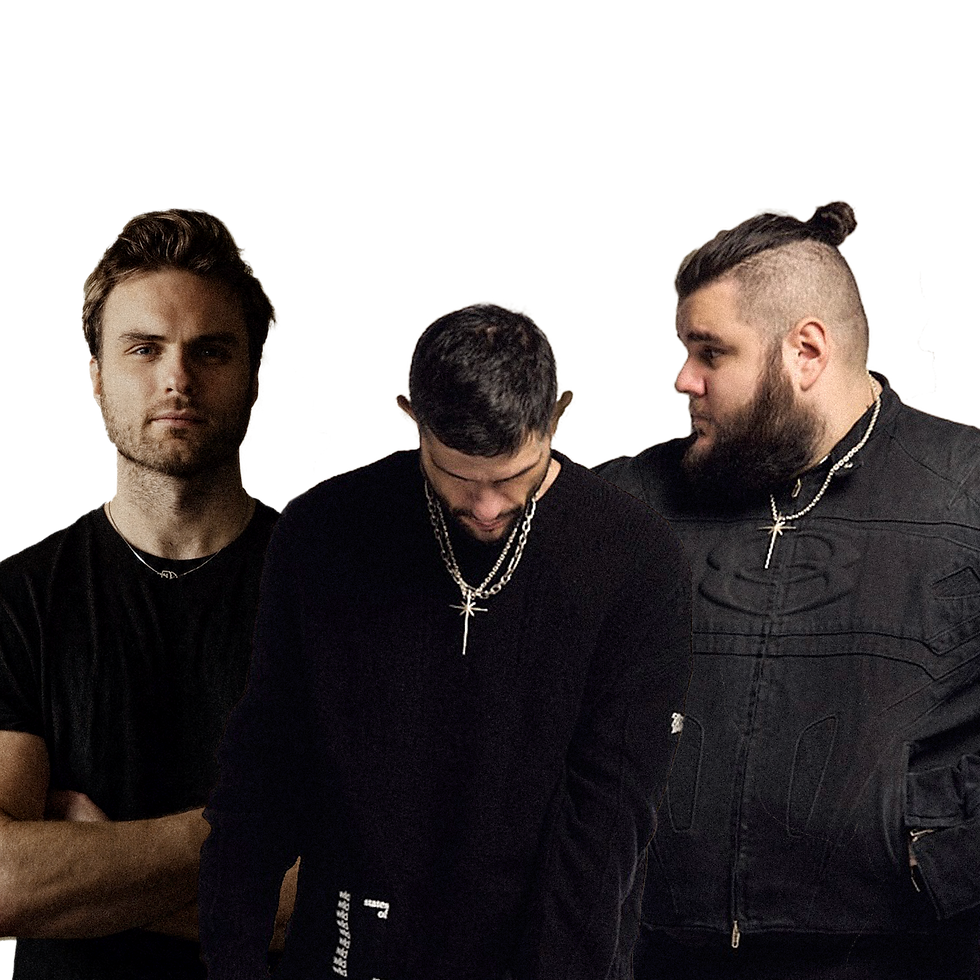
Hard Techno scene in turmoil: DJs dropped amid sexual misconduct allegations
- Christos

- Feb 26
- 3 min read

The global hard techno community finds itself at a crossroads in early 2026, as a wave of serious allegations of sexual misconduct and abuse has prompted festival organisers, promoters and agencies to take unprecedented action against a number of high-profile artists. The situation has sparked intense debate online and within wider electronic music culture about accountability, safety and the structures that govern nightlife spaces.
Allegations and Industry Response
In late February 2026, several digital accounts, including an Instagram profile identified as belonging to a former employee of the booking agency Steer Management, began circulating detailed accusations against a group of prominent hard techno DJs. Those named in the allegations include French artist Shlømo, Belgian producer Odymel, German DJ CARV, and others such as Basswell and Fantasm.
Numerous festivals and events swiftly reacted by cancelling scheduled performances and removing the accused artists from upcoming line-ups. Organisations such as Verknipt in the Netherlands publicly announced that Shlømo, Carv and Basswell would no longer appear at their shows “in light of the serious allegations” circulating online. Other events across Europe, India, Australia and South America followed suit, cancelling dates and adjusting programming.
Steer Management, the agency that represented several of the accused DJs, confirmed it had suspended collaborations with a number of artists on its roster pending further review. Promoters and venues reiterated that maintaining safe environments for attendees is a priority.
Importantly, as of this writing, these accusations remain public allegations. No formal criminal charges or legal rulings have been confirmed in connection with the claims. Responsible reporting and community dialogue requires clarity on this point, while also acknowledging the seriousness with which many within the scene are treating the allegations.



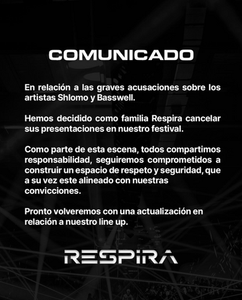
Statements and Denials
Some of the artists implicated have publicly addressed the claims. According to published social media posts, Shlømo described the allegations as “a campaign of defamation based on false information” and stated intentions to pursue legal action against those accusing him. CARV admitted to infidelity but denied non-consensual behaviour, and Odymel referenced a rare sleep-related condition in his response, while distancing himself from alleged specific behaviours.
Responses vary widely across the scene: many artists, promoters and fans have expressed support for survivors and called for systemic changes, while others voice concern about the impact of unverified allegations and the risks of on-platform trials outside formal legal processes.



Broader Community Reaction
The hard techno community, which has surged in global popularity in recent years, is grappling with the fallout. Some artists and industry figures have publicly condemned abuse and harassment and emphasised the need for accountability and consent awareness within nightlife culture. Calls have also grown for promoters to adopt clearer policies, consent training and support systems for survivors.
The controversy has sparked discussions on power dynamics within electronic music, as well as how tightly knit and male-dominated subgenres can mask problematic behaviour until it reaches a breaking point. This moment, for many observers, echoes broader cultural reckonings around misconduct in music, arts and nightlife spaces globally.
What This Means for Rave Culture
For ravers, promoters, artists and industry professionals, this moment extends beyond individual allegations and into a broader examination of how electronic music spaces operate. The situation reinforces the growing expectation that festivals, clubs and agencies must prioritise attendee safety, implement clearly defined codes of conduct and provide transparent reporting mechanisms for harassment and abuse. As nightlife culture continues to scale globally, safeguarding audiences is no longer an optional add-on but a structural responsibility.
At the same time, the speed at which allegations circulate online underscores the complex tension between public accountability and formal legal process. Accusations shared digitally can lead to immediate professional consequences, including cancellations and suspensions, even in the absence of confirmed legal rulings. For the community, this presents a difficult balancing act: supporting those who come forward while also recognising the importance of due process and verified information.
More broadly, the controversy has prompted renewed reflection on consent, inclusivity and power dynamics within rave culture. As hard techno continues to expand into larger stages and mainstream recognition, questions surrounding behaviour, responsibility and influence are becoming impossible to ignore. This is not simply an isolated controversy but part of a wider cultural reckoning within electronic music. As developments unfold, careful attention to verified updates and official statements will remain essential, particularly as the scene navigates a moment where accountability and community trust are firmly in the spotlight.