Interview with Mentum
- Laureen
- Mar 20
- 4 min read

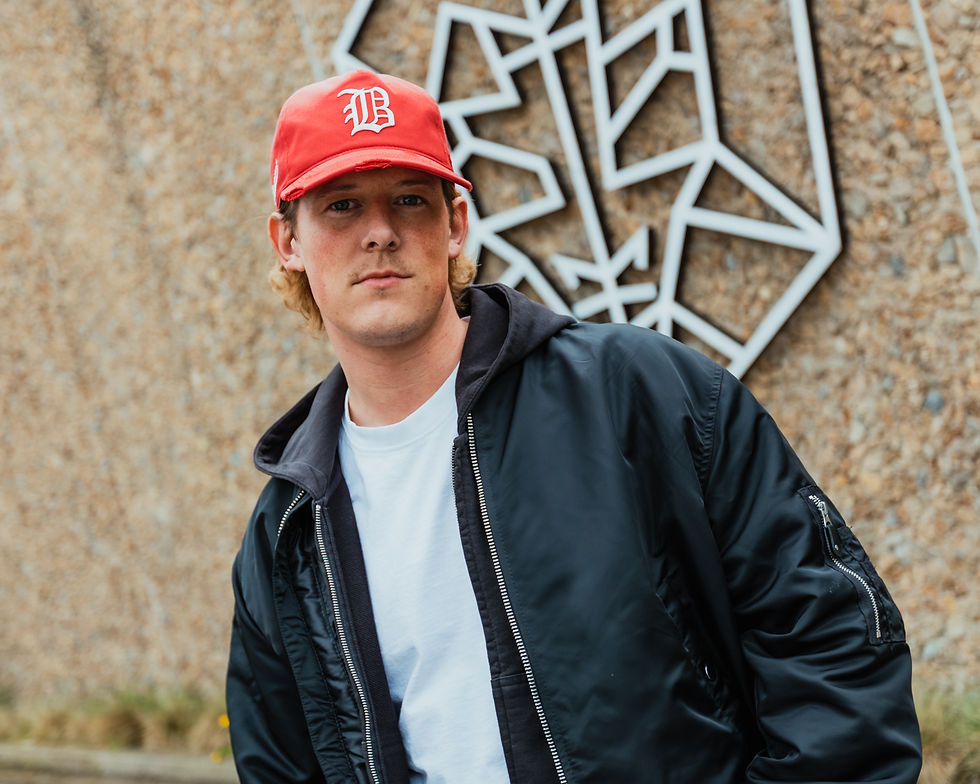
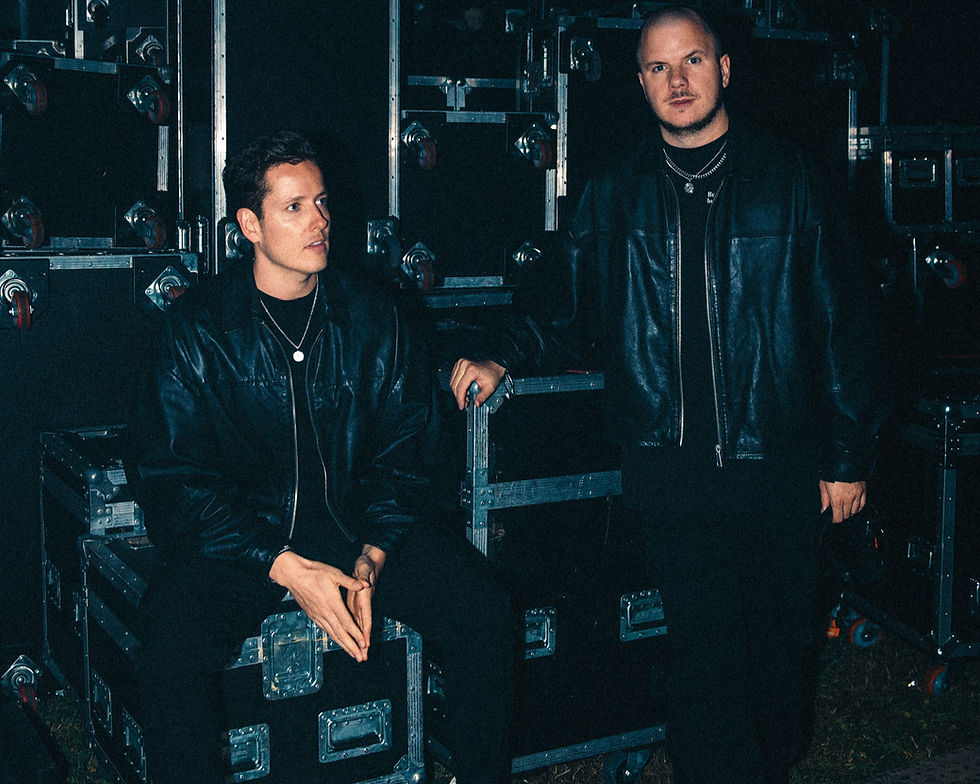
Emerging from the Nordic club circuit with a steadily growing global presence, Mentum have spent the past decade quietly shaping themselves into one of dance music’s most promising duos. Formed by Tim Terkelsen and Finn Eriksrud, their journey began at a house party in 2014 and has since evolved into a creative partnership defined by precision, contrast, and a deep understanding of what moves both crowds and emotion.
Blending Tim’s visual approach to sound design - inspired by acts like Daft Punk - with Finn’s melodic instincts rooted in blues, rock, and psychology, Mentum have carved out a sound that balances high-energy house and EDM with real emotional weight. That duality has earned them support from global heavyweights including David Guetta, R3HAB, and The Chainsmokers, while also leading to collaborations with names like Gabry Ponte and Brooks.
On stage, their reputation has been built through consistent performances, from their roots in Norway to standout appearances at Amsterdam Dance Event and high-profile Formula 1 events worldwide. Now stepping into 2026, Mentum are entering a defining new phase—launching their own imprint and honing a more focused sonic identity that signals they’re no longer emerging, but establishing themselves on their own terms. Interview with Mentum
You first connected passing the aux cord at a house party in 2014. Do you remember the exact track that made the other person think, “Okay, this guy gets it”?
We both wish we could remember, but it was 12 years ago now! I think it wasn’t actually one specific anthem; it was more about the energy and connecting over music in general. We were passing the aux back and forth, playing tracks and essentially trying to outdo each other with IDs.
Many duos struggle to maintain a creative partnership over a decade. What’s the biggest disagreement you’ve had in the studio that actually improved a track?
Our partnership works because we bring very different "visuals" to the table. We do see music in different ways, but that’s what makes it so interesting and rewarding to create together. In terms of disagreements, it’s hard to say - there are often small things, but since we’ve done this for so long, it’s more about the general direction rather than disagreeing about specific songs.
When you're building a track together, what usually comes first: a concept, a sound design idea, a vocal hook, or something else entirely?
It’s a very fluid, in-house process where one of us sparks an idea and the other immediately pushes it further. For "Breathe," it actually started with a simple vocal melody, and we built the entire sonic world around that melody to create a specific mood. Other times, it’s a sound design idea or a sample that sparks the next step.
Are there any sounds, instruments, or production techniques that have become a kind of “Mentum signature” without you intentionally planning it?
For the past 10 years, we’ve usually used Finn’s voice on most of the records, which has become a signature in itself. Going forward, we’ll switch it up a bit more, but we’re always trying to build around emotional gravity and depth - even in a club track. We want the listeners to feel a real emotional connection with our music.
“Breathe” revolves around that moment of losing yourself in a connection. Was there a specific experience or memory that inspired the emotional core of the track?
It was less about a single event and more about a shared feeling we wanted to capture. We kept talking about that specific "introspective rush" you feel on a dancefloor—the moment where you almost need to take a breath before everything hits. That sense of release and "stillness vs. motion" became the emotional heart of the song.
When you tested the track in DJ sets, what kinds of reactions told you it was ready to release?
The most rewarding part of this job is seeing people react to your music in real-time. With "Breathe," we were looking for that "one more song" energy - seeing the crowd actually lean into the tension during the pauses and then completely let go during the drop. When you see that physical and emotional exhale from the audience, you know the track is ready.
How many versions of “Breathe” existed before the final one, and what was the biggest change along the way?
There were several! We had a totally different production when we first started on it. It didn’t sit right, so we switched it up entirely and rebuilt the arrangement from the ground up to better support the vocal melody.
Did the momentum from Antidote with KAAZE influence the way you approached this release?
Absolutely! We wanted to build on that momentum and felt it would be a great time to release a club track like "Breathe." It has tech-house influenced drums, but the melodic parts are more energetic and mainstage friendly. Working with artists like R3HAB, BYOR, and KAAZE taught us what works in a club versus what works on streaming. It’s always great to get insight into how the big labels approach releasing music, and there is a lot we take inspiration from as we build our own lane.
Looking ahead, when people talk about Mentum five years from now, what’s the one thing you hope they say defined this era of your career?
We hope people say this was the era where we defined our lane through "longevity and authenticity." 2026 is our turning point where we stop "proving we exist" and start building a concrete legacy. We want this era to be remembered for creating a real connection with the listener - not just through big drops, but through music that has a lasting human impact.