
How John Summit became a gateway into modern rave culture
- Laureen
- 1 day ago
- 4 min read
A New Entry Point Into Dance Music
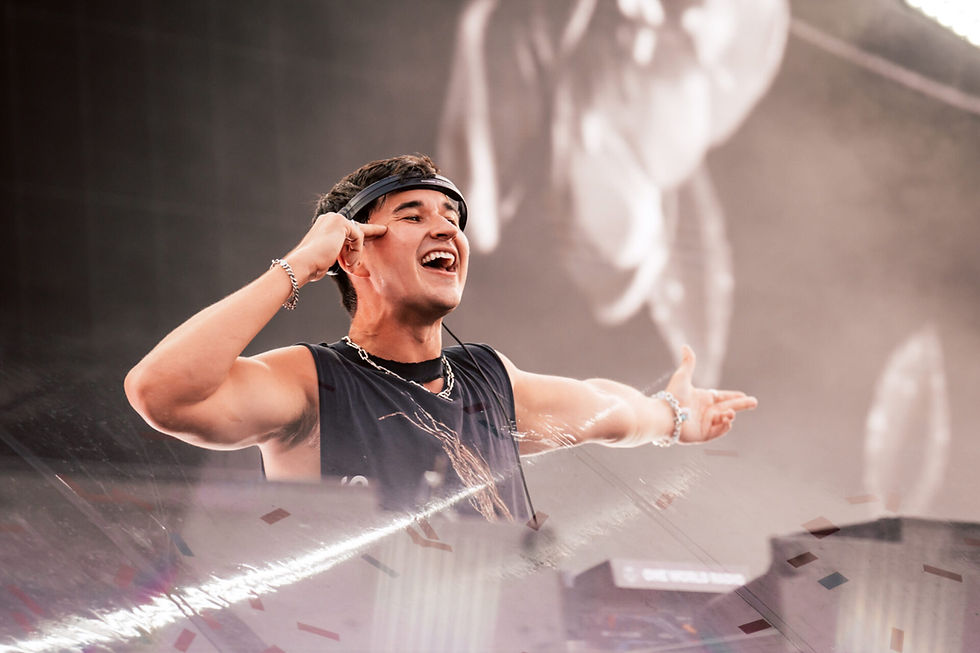
Few artists in recent electronic music have acted as a gateway quite like John Summit. Since his breakout around 2020, he has not only become one of the most visible names in house music, but also one of its most culturally influential. Publications like Rolling Stone have gone as far as calling him “the hottest name in dance music,” reflecting both his reach and relevance.
That visibility matters. Summit’s rise coincides with a surge of younger, first-time ravers entering the scene. His accessible sound, heavy touring schedule, and constant online presence have made him one of the most discoverable artists in electronic music today. But visibility alone does not explain the impact. What sets him apart is how he redefines what participation in rave culture looks like.
Beyond the Booth: Experiences Instead of Sets
Where previous generations of DJs focused primarily on club and festival performances, Summit builds experiences around his shows. His pop-ups are a key example. In New York, he transformed the Vessel into a spontaneous open-air rave following a city run, drawing hundreds of fans into a shared moment that blurred the line between public space and dancefloor.
These events are not just concerts. They feel like happenings. They reward spontaneity, social media awareness, and community participation. For new ravers, especially those who may find traditional club culture intimidating, this creates a softer entry point. You are not just attending a rave, you are part of something unfolding in real time.
This model also expands where dance music can exist. A staircase, a park, or a city landmark can suddenly become a venue. That flexibility lowers the barrier to entry and reshapes expectations of what rave culture can be.

The Running Club Effect
One of Summit’s most distinctive innovations is his integration of wellness culture into nightlife. His collaboration with Lululemon and the creation of pop-up run clubs illustrate this shift clearly.
In New York, a one-mile run through the High Line led directly into a DJ set, merging fitness and clubbing into a single shared experience. This concept reframes rave culture from purely nocturnal escapism into something more holistic and communal.
The same energy carried into Tomorrowland Weekend 2 in 2025, where Summit hosted a morning run with fans before the day’s programming. What might once have seemed like a contradiction, early morning exercise at one of the world’s biggest festivals, instead became a defining cultural moment. It signaled that the modern raver is not just there to party, but to connect, reset, and participate.

Community as the Product
At the core of Summit’s influence is a subtle but important shift. The product is no longer just the music. It is the community built around it.
His label and event brand Experts Only extends this idea further, creating festivals and gatherings that feel curated for a specific generation of fans. In Chicago, that ethos is especially visible. A hometown pop-up drew overwhelming demand, selling out in mere minutes and turning a simple appearance into a citywide moment. The speed and scale of the response underline how his events operate less like traditional shows and more like cultural flashpoints that fans feel compelled to be part of immediately.
That same balance between scale and exclusivity carries into his plans for summer 2026. His shows at Tofte Manor move in the opposite direction of large festival stages, focusing on intimacy and immersion. In these smaller, carefully curated settings, the experience feels closer, more intentional, and distinctly personal.
Together, these two ends of the spectrum explain a key part of his appeal. Whether it is a pop-up that disappears in seconds or a boutique venue designed for a limited crowd, Summit creates a sense of urgency that turns attendance into participation.
Someone might first engage through a run club, a viral clip, or a pop-up event before ever stepping into a nightclub. That pathway is fundamentally different from how earlier rave generations were introduced.
Why It Resonates Now
Summit’s approach lands because it reflects broader cultural shifts. Younger audiences value experiences over institutions, flexibility over formality, and community over exclusivity.
Traditional rave culture often required insider knowledge. Knowing the right venues, promoters, or scenes could be a barrier. Summit removes that friction. His events are visible, accessible, and designed to be shared.
At the same time, he taps into a dual identity that resonates strongly today. The idea that you can go for a morning run and then lose yourself in a festival later that night feels aligned with how many young people balance intensity and wellness. How John Summit became a gateway into modern Rave Culture
A Cultural Bridge, Not Just a DJ
Ultimately, John Summit is not simply bringing more people into raving. He is reshaping how they enter and what they expect when they arrive.
From spontaneous pop-ups to run clubs and brand collaborations, he turns passive audiences into active participants. That shift is what makes his impact so significant. He is not just soundtracking the scene. He is redesigning its front door.


