
Artists To Watch in 2026: 20 Rising DJs who are quietly reshaping the global club culture
- Christos

- Feb 20
- 5 min read

If the previous cycle of electronic music was dominated by visibility and algorithmic acceleration, 2026 is shaping up to reward credibility.
Across the UK, Europe and Latin America, a new generation of DJs is rising through club infrastructure rather than social media virality. These are artists embedded in lineups before they dominate feeds. Their growth is driven by DJ trust, label backing, long-set functionality and real dancefloor translation.
This is not a list built on hype. It is built on momentum inside booths. Below are 20 artists positioned to define the next chapter of house and techno.
The UK Groove Architects





Josh Baker represents the modern evolution of UK minimal house. His sound carries weight without excess, groove without gimmick. Built for proper systems, his productions prioritize swing, restraint and tension. What separates him from many of his peers is his ability to remain functional while maintaining character. His presence across serious selector sets suggests 2026 will be less about emergence and more about consolidation. The crossover feels inevitable.
Part of the new UK groove wave, Max Dean is carving out a lane rooted in taste rather than trend. His records are textured and purposeful, leaning into rhythm as the primary driver rather than relying on vocal hooks. He is increasingly present in sets by DJs who value continuity and storytelling. That kind of organic validation tends to outlast fast hype cycles.
Benwal delivers high-energy UK house that translates immediately on crowded dancefloors. There is a directness to his sound that feels honest and effective. His rise has been driven by crowd response rather than marketing noise. Promoters are noticing that his records simply work, and that kind of reputation spreads quickly in the circuit.
Rossi. has developed one of the most instantly recognizable grooves within the minimal house sphere. Playful percussion, rolling basslines and subtle vocal details give his tracks personality without sacrificing functionality. His increasing presence in extended club sets indicates peer respect, which often becomes the foundation for sustained international growth.
Global Tech Pressure

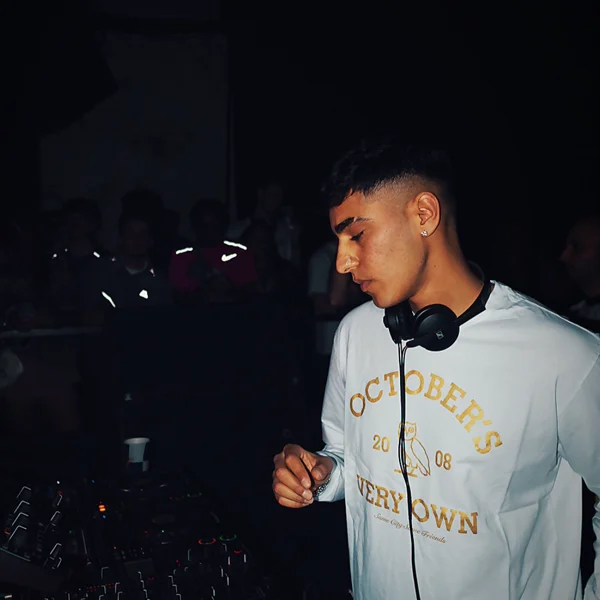


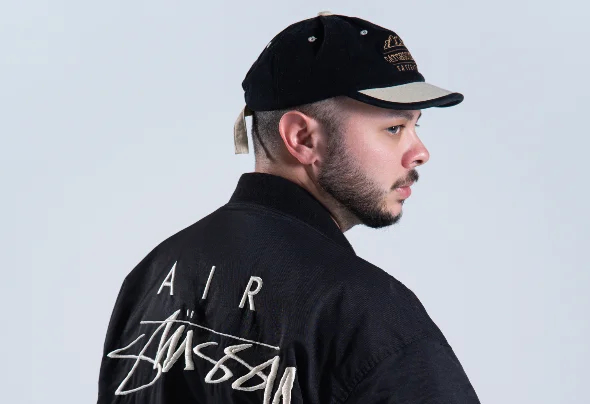
Beltran’s sound is unapologetically percussive and built for impact. Emerging from the Latin circuit with undeniable momentum, his tracks are direct and rhythm-driven, designed for peak-time club intensity. The acceleration of his international bookings signals that his appeal extends beyond regional scenes. His trajectory suggests a steady expansion into larger global stages.
Omar Plus has built his reputation through groove-first productions that DJs consistently reach for in high-pressure moments. His records are structured with clarity, leaving space for transitions and extended blends. That understanding of DJ mechanics reflects an artist focused on longevity rather than momentary exposure.
Discip occupies the modern tech-house space with bounce and edge, balancing accessibility with grit. He has managed to attract major support without diluting identity, a rare balance in a genre that often swings toward formula. His momentum feels controlled and strategic.
Gabss operates in the evolving space between house and techno, drawing from both without leaning too heavily into either. His sound carries European club energy with enough versatility to adapt across festival and warehouse environments. The steady increase in promoter trust suggests 2026 could be a defining year.
Melodic Precision
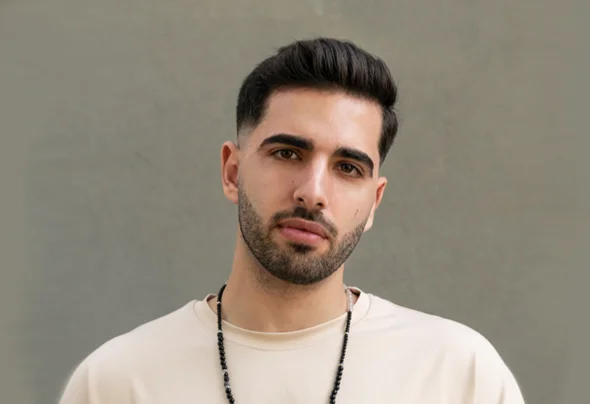
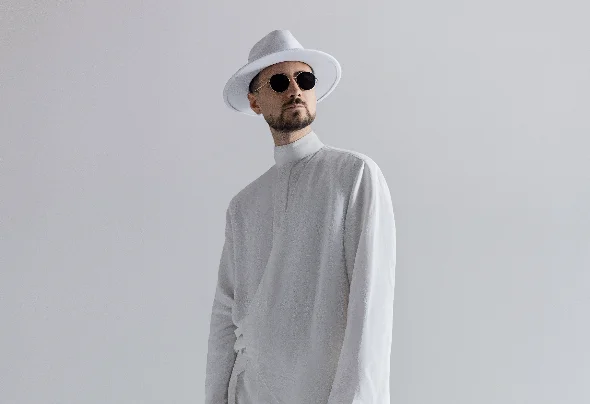



Adam Sellouk brings refined melodic house and techno with compositional depth. His productions feel curated, structured and emotionally intentional. There is patience in his arrangements, allowing tension to build organically rather than forcing climaxes. That sense of control indicates a long-term artistic vision.
Odyssay blends cinematic progression with club functionality. Emotional tension underpins his tracks, yet they remain system-ready and impactful. His label alignments suggest a carefully managed trajectory, positioning him within serious melodic circuits rather than chasing trend cycles.
KOTIER’s sound bridges atmosphere and scale. His productions carry emotional resonance while maintaining clarity on larger sound systems. That ability to translate from intimate venues to festival stages gives him strong scalability potential. He feels ready for broader exposure without compromising identity.
WELKER is developing through what could be described as a slow-burn breakout. Clean production, subtle emotional textures and growing label backing suggest long-term strategy. His music rewards attentive listening, making him particularly suited for extended sets and curated events.
Underground Momentum



Pegassi’s trajectory from underground credibility to headline positioning feels particularly clear right now. His sound identity is sharp and consistent, balancing energy with structure. He understands how to command space without overwhelming it. That composure often signals readiness for larger platforms.
19:26 operates in deeper territory, focusing on mood and patience. His productions are designed for DJs who care about flow rather than immediate drops. The late-night energy in his records gives them staying power in marathon sets, where nuance matters more than spectacle.
Funk Tribu is leading the hard house revival with conviction rather than nostalgia. His approach respects rave fundamentals while injecting youthful urgency. The resurgence of harder textures in club culture aligns perfectly with his sonic direction, placing him at the center of a broader movement rather than outside it.
Broken Hill remains firmly underground in ethos, producing records that thrive in 4am environments. His tracks are understated but powerful, built for selectors who prioritize atmosphere and continuity. Strong DJ support within serious circles suggests steady, organic expansion.
The Forward Club Layer



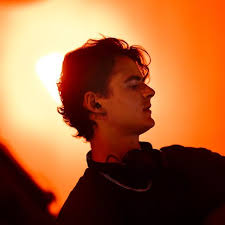

Avello represents a modern club sound that balances accessibility and underground roots. His branding is clean, his release pacing structured and his productions adaptable. There is clear crossover potential, but it feels measured rather than forced.
J Ribbon focuses on groove as architecture. His minimal-leaning productions are designed for long sets, offering DJs space to layer and build. The discipline in his sound design reflects a deep understanding of club mechanics, which positions him strongly within the evolving minimal circuit.
Mölly operates outside formulaic expectations. Her left-field club sound carries personality and unpredictability, resisting easy categorization. Rather than chasing current trends, she appears to be building a distinct artistic lane. That independence could prove decisive in a crowded market.
Odymel is emerging from Europe’s shifting club landscape with a sound rooted in groove yet layered with subtle melodic tension. His sets demonstrate patience and structural awareness, favoring immersive progression over quick peaks. Increasing label trust and curated bookings indicate that his rise is being built carefully. He feels less like a flash moment and more like a developing fixture in forward-thinking club spaces.
Why 2026 Feels Structurally Different
Three movements are defining the coming season:
The continued rise of groove-first house and minimal functionality.
A youth-driven revival of harder rave aesthetics.
A renewed emphasis on DJ credibility over algorithmic reach.
Across this entire list, sustainability is the common thread. These artists are embedded in club ecosystems, backed by labels that matter and supported by DJs who shape culture from the booth.
If the last cycle rewarded visibility, 2026 appears set to reward foundation.


